Why installing VICIdial yourself is harder than it looks
A clean VICIdial install means compiling Perl and Asterisk, sorting codecs and NAT, tuning MySQL, and wiring the keepalive cron. The 3am failure modes are where it bites.
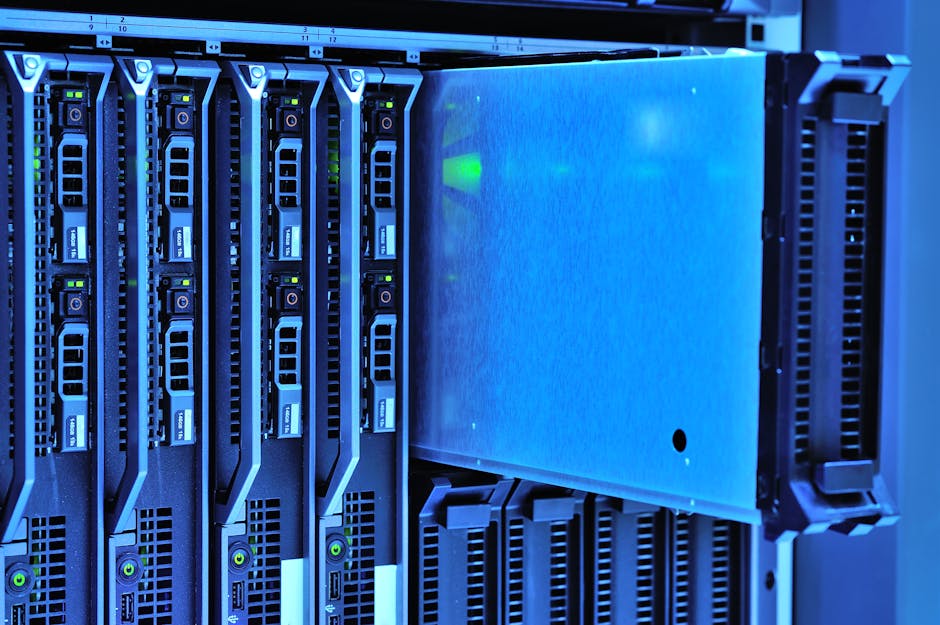
The install script makes VICIdial look like a weekend project. It is not. A working dialer is a chain of moving parts, and each one has a failure mode that only shows up under load. The script gets you to a login screen. Getting from there to a box that survives a Monday morning of live calls is where the time goes.
It starts with a compile
VICIdial is a stack of Perl scripts driving Asterisk, and a real install compiles both from source against a specific OS. Get the OS version wrong and the Asterisk build fails on a missing dependency you have never heard of. Get the Perl module versions wrong and the dialer processes start, then quietly die. The pieces are pinned to versions that were current years ago, so you are building old software on a new kernel and patching the gaps yourself.
flowchart TD
  A[Run install script] --> B[Compile Asterisk from source]
  B --> C[Install pinned Perl modules]
  C --> D[Pick and license codecs]
  D --> E[Configure NAT and RTP ports]
  E --> F[Tune MySQL for the load]
  F --> G[Wire the keepalive cron]
  G --> H[Live calls survive Monday morning]
  B -.fails on OS mismatch.-> X[3am page]
  E -.one way audio.-> X
  F -.table locks.-> X
  G -.processes die.-> X
Codecs are a licensing problem, not just a config
Audio gets encoded by a Codec, and the one most carriers want for call volume is G.729 codec because it uses far less bandwidth than G.711 codec. The catch is that G.729 codec historically carried a patent license. Pick the wrong codec and your Carrier either rejects the call or you eat the bandwidth of uncompressed audio across every concurrent channel. None of that is in the install script. You find it when calls connect but sound wrong.
NAT and RTP: the one-way audio classic
Signaling and media travel separately. SIP (Session Initiation Protocol) sets up the call, then RTP carries the actual voice on a different port range. If your box sits behind NAT and the NAT traversal settings are off by even a little, the call connects and one side hears silence. This is the single most common DIY failure, and it is maddening because the call looks successful in every log. You only know it is broken when an agent says the lead went quiet.
MySQL tuning and the keepalive cron
VICIdial leans on MySQL hard, and the default config is built for a small site. Under a real campaign the dialer hammers the lead tables, and an untuned database starts locking rows and slowing the Dialer pacing until agents sit idle waiting for the next call. Then there is the Keepalive cron, the heartbeat that restarts the dialer processes and regenerates config. If it is not wired correctly, a crashed process never comes back and the campaign silently stops dialing. Nobody tells you. The hopper just goes quiet.
The 3am failure modes
All of this is fine until it is not, and the failures favor the early hours. Asterisk hits a CVE you did not patch. A disk fills with recordings and the database stops writing. A kernel update breaks the Perl modules on reboot. Each one is a page, and each one is yours to fix, alone, while a campaign is supposed to be dialing. What installing VICIdial actually involves lays the full sequence out, and our install guide is honest about every step.
When managed hosting actually earns it
This is the rare case where paying someone else is the cheaper option. We compile the stack, patch the Asterisk CVEs, tune MySQL for the load, and own the Keepalive cron, so the 3am page goes to us. You still get root SSH and you still run your own campaigns on a Single tenant box. The install you would spend a careful weekend on, with Managed hosting we hand you ready to dial. See what that costs.
Related from VICIfast
- Provisioning a VICIdial server in 40 secondsMeasured wall-clock from paid order to a working admin URL.
- Try a live VICIdial serverA working server and admin URL, no sales call.
- The managed VICIdial hosting guideWhat a host should handle, and what stays your job.
- When you need dedicated coresAMD EPYC dedicated cores for steady volume or visible CPU steal.
About VICIfast
We run VICIdial servers for call centres, so you don’t have to. You get the dialer set up, secured and kept running — we handle the server, the updates and the backups. Bring your own phone carrier at no markup, or use VICIfast Voice, our own US calling and numbers, from $0.0085 a minute. From $49 a month per server.
Questions? Call +1 636 556 0022 and talk to someone who runs dialers.
Citing this article
VICIfast Engineering. “Why installing VICIdial yourself is harder than it looks”. VICIfast LLC, June 29, 2026. Retrieved from https://vicifast.com/blog/vicidial-why-install-is-hard
Have questions?
Related posts



You might be interested in




VICIfast newsletter
Liked this? Get the next one in your inbox.
We ship the kind of stuff you just read - concrete, numbers-first, no drip. One email when a new post goes live. Unsubscribe in one click.
Comments
No comments yet - be the first.