How VICIfast hardens your VICIdial box
Every VICIfast server ships with a layered security baseline - firewall, brute-force protection, SSH certificate auth, SIP-TLS, and locked-down VICIdial defaults. Not a stock from-source install.
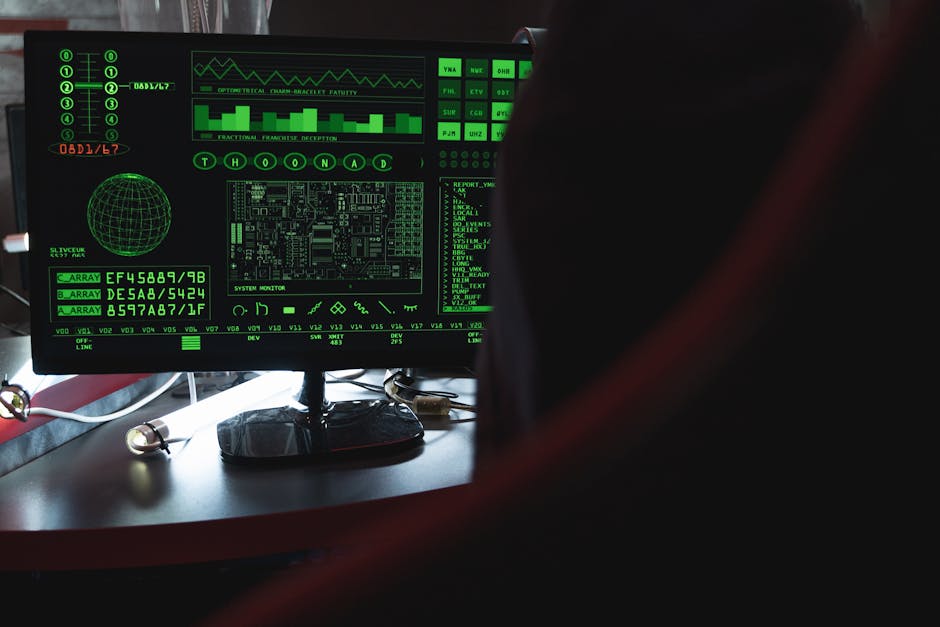
A default VICIdial install from source is not a secure install. It is a working install. The difference matters: open SIP ports, default credentials, and an unfiltered network surface are typical on a stock setup. A dialer is also a high-value target, because an attacker who gets in can place fraudulent calls on your trunk and run up a real bill before you notice. VICIfast applies a security baseline at Provisioning time so you do not have to work through a hardening checklist after the fact.
Layered hardening applied at install
flowchart TD
  Internet[Internet] --> FW[Layer 1: Firewall]
  FW --> BF[Layer 2: Brute-force protection]
  BF --> SSH[Layer 3: SSH cert auth only]
  SSH --> TLS[Layer 4: SIP-TLS + SRTP]
  TLS --> VICI[Layer 5: Secured VICIdial defaults]
  VICI --> HTTPS[Layer 6: HTTPS branded subdomain]
  HTTPS --> App[Your VICIdial admin + agents]
Layer 1: Firewall
The server comes up with a restrictive ingress policy. Only the ports VICIdial and Asterisk actually need are open: HTTPS (443), SIP (5060/5061), RTP media range, and the Asterisk manager port locked to localhost. SSH is restricted to key-based access from known management IPs. Everything else is dropped by default.
Layer 2: Brute-force protection
SIP registration attempts are monitored. Repeated failed authentication attempts from a source IP trigger an automatic block. This is applied to both the SIP stack and the SSH daemon. On a Single tenant server your call traffic is the only traffic, so unusual patterns stand out clearly rather than blending into a neighbor's load. The internet scans SIP ports constantly, and without this layer a box can field thousands of guess attempts a day; the block turns that background noise into a non-event.
Layer 3: SSH certificate authentication
Password-based SSH login is disabled. VICIfast uses SSH certificate authentication issued by a platform CA. This eliminates password-guessing attacks against the SSH daemon entirely. You get a signed certificate to authenticate when direct server access is needed.
Layer 4: SIP-TLS and SRTP
Where your Carrier supports it, Asterisk is configured to use SIP over TLS for signaling and SRTP for media. This encrypts both the call setup negotiation and the audio stream in transit. Not all carriers support encrypted SIP - if yours does, VICIfast configures it. The Webphone (WebRTC over wss, port 8089) is always encrypted.
Layer 5: Secured VICIdial defaults
Stock VICIdial installs ship with known default credentials and permissive internal settings. VICIfast's automated installer applies a configuration pass that locks these down: default admin passwords are replaced with generated credentials delivered only to the account owner, the Asterisk HTTP interface is restricted to localhost so it cannot be reached from outside the server, and VICIdial's AMI credentials are rotated from their well-known defaults. These are not one-off tweaks; they are part of the same automated deploy script that runs for every new server, so no box leaves Provisioning with a known default still in place. You do not need to audit the install after the fact or compare against a checklist.
Layer 6: HTTPS on your branded subdomain
Your Branded subdomain is served over HTTPS from the moment Provisioning completes. The Let's Encrypt certificate is issued via DNS-01 challenge during the automated deploy sequence and renews automatically before it expires. There is no window where your subdomain is reachable over plain HTTP, and agents connecting to the VICIdial agent screen and the browser Webphone are always on an encrypted connection from their first session.
Hardening that does not drift
Locking a box down once is not enough, because new vulnerabilities surface over time and a system that was tight on day one slowly loosens if nobody maintains it. We keep the operating system and the dialer patched, and the firewall rules and ban policy persist across reboots and updates rather than resetting on the first boot. The baseline stays in place as the box ages, not just when it is new.
This is the part of the stack most operators are least likely to watch. Your attention is on lists and conversion numbers, not on log lines from failed SSH attempts, and that is how it should be. Handling that quietly in the background is exactly the kind of work a managed host should own, and it removes a whole class of risk from your plate without adding a task to it.
See what VICIfast adds to VICIdial for the full managed feature list. If you want to understand how HTTPS is maintained on your subdomain, read VICIfast branded subdomain HTTPS. Plans and pricing are at /pricing.
Related from VICIfast
- Firewall, recorded SSH, and agent IP self-serveConsole access, recorded SSH sessions, and self-serve agent IP whitelisting.
- Add IPs and whitelist by sourcePin trunks per IP and whitelist agent home offices.
- Managed hosting versus doing it yourselfWhat a host should handle, and what stays your job.
- VICIdial Without the Ops - 18 chapters, freeArchitecture, sizing, storage and cost. No email wall on the contents.
About VICIfast
We run VICIdial servers for call centres, so you don’t have to. You get the dialer set up, secured and kept running — we handle the server, the updates and the backups. Bring your own phone carrier at no markup, or use VICIfast Voice, our own US calling and numbers, from $0.0085 a minute. From $49 a month per server.
Questions? Call +1 636 556 0022 and talk to someone who runs dialers.
Citing this article
VICIfast Engineering. “How VICIfast hardens your VICIdial box”. VICIfast LLC, June 30, 2026. Retrieved from https://vicifast.com/blog/vicifast-security-hardening
Have questions?
Related posts



You might be interested in



VICIfast newsletter
Liked this? Get the next one in your inbox.
We ship the kind of stuff you just read - concrete, numbers-first, no drip. One email when a new post goes live. Unsubscribe in one click.
Comments
No comments yet - be the first.