How to read the LAGGED Summary Report
The LAGGED Summary Report aggregates agent lag events into totals and a timeline chart so you can see whether lag is random or bunching at predictable times. This post explains how to read the chart and what the summary numbers tell you.
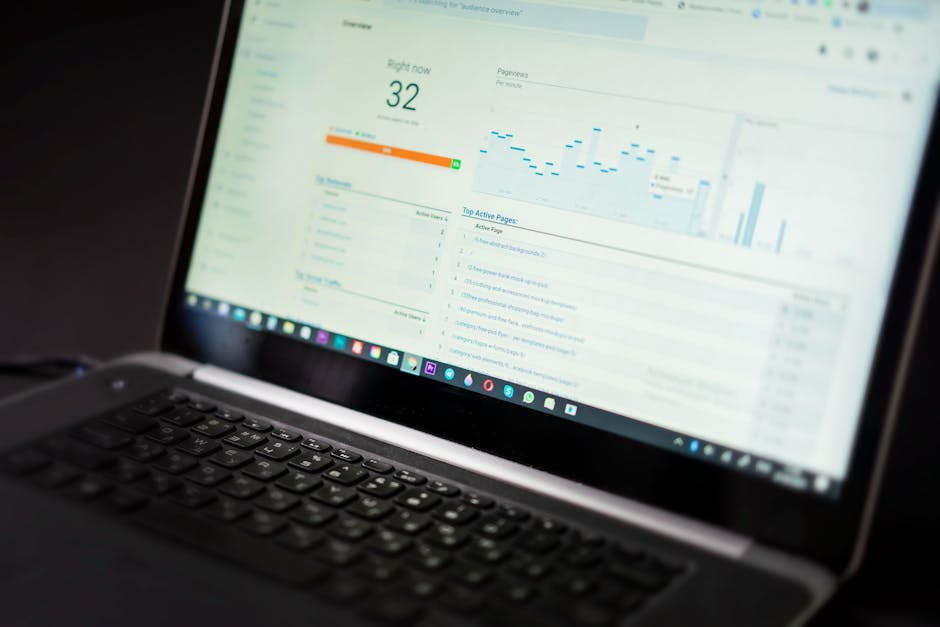
The LAGGED Summary Report takes the same raw LAGGED Agent events that the Agent LAGGED Report shows row by row and rolls them up into aggregated totals and a timeline chart. That chart is the value: it makes clusters of lag events visible at a glance across a date range, turning a list of individual events into a pattern you can act on.
The summary numbers
At the top of the report you get aggregate totals for the selected date range: total LAGGED events, the number of distinct Agent session IDs affected, and the number of servers that recorded at least one lag event. These three numbers together give you scope. A high total with few sessions means one or two agents drove most of the lag. A high total spread across many sessions on a single server points to a box-level constraint.
Reading the timeline chart
The chart plots LAGGED event counts on the vertical axis against time on the horizontal axis. The date range you set controls the resolution: a single day shows hourly buckets, while a multi-day range buckets by day or by shift depending on the data volume. Look for three patterns:
- Isolated spikes - a single tall bar surrounded by low counts. Usually a one-off event: a batch job, a Keepalive restart, or a brief network hiccup. Low urgency if it does not repeat.
- Daily pattern - events climb at the same time every working day. This almost always tracks your peak dial period. The server is hitting a capacity ceiling at busy hour. The fix is resizing the box or adjusting the campaign [[dial-level]] to stay within what the hardware can support.
- Sustained elevation - counts stay high across the whole range without a clear peak. This suggests a background condition: a stuck process, a slow database query that never resolved, or a misconfigured campaign that is always running above capacity.
Comparing the summary to the detail
The LAGGED Summary Report is a triage tool. Once the chart shows you which time window carried the most lag, go to the Agent LAGGED Report with that exact window as your date-time filter. There you will find the individual rows - server IP, user ID, campaign, and call status - that let you trace the event to a specific cause. The summary chart tells you when; the detail report tells you who and what.
flowchart LR
  A["LAGGED Summary Report"] --> B["Timeline chart shows spike window"]
  B --> C["Filter Agent LAGGED Report to that window"]
  C --> D{"Events on one server IP?"}
  D -->|Yes| E["Check server load at that time"]
  D -->|No| F{"Events from one user ID?"}
  F -->|Yes| G["Agent endpoint issue"]
  F -->|No| H["Shared network or time-of-day load"]
Choosing the right date range
A two-week range is a good starting point for identifying patterns. Shorter than three days and random noise can look like a pattern. Longer than a month and the chart buckets get too coarse to pinpoint the problematic shift. If your initial range shows a daily spike, narrow to a single day to see exactly which hour within the shift the lag concentrates.
Integrating this into a regular monitoring routine
Running the LAGGED Summary Report once a week alongside your server load graphs catches gradual degradation before it becomes a call-quality problem. If the weekly chart shows a rising trend, act before the count gets high enough to affect Agent session stability. For the full list of what to watch and when, see our server health and capacity guide.
If your summary chart consistently shows a daily lag peak, that is a signal that your current box is at its capacity ceiling for your call volume. For more detail on reading the timeline visually and locating where those clusters land, see Spotting LAGGED clusters on the timeline chart.
Want a box that handles your peak load without lag spikes? Check out VICIfast plans and pricing - managed, monitored, and live in under 40 seconds.
Related from VICIfast
About VICIfast
We run VICIdial servers for call centres, so you don’t have to. You get the dialer set up, secured and kept running — we handle the server, the updates and the backups. Bring your own phone carrier; we never resell minutes. From $49 a month per server.
Questions? Call +1 636 556 0022 and talk to someone who runs dialers.
Citing this article
VICIfast Engineering. “How to read the LAGGED Summary Report”. VICIfast LLC, June 28, 2026. Retrieved from https://vicifast.com/blog/how-to-read-lagged-summary-report
Have questions?
You might be interested in



VICIfast newsletter
Liked this? Get the next one in your inbox.
We ship the kind of stuff you just read - concrete, numbers-first, no drip. One email when a new post goes live. Unsubscribe in one click.
Comments
No comments yet - be the first.